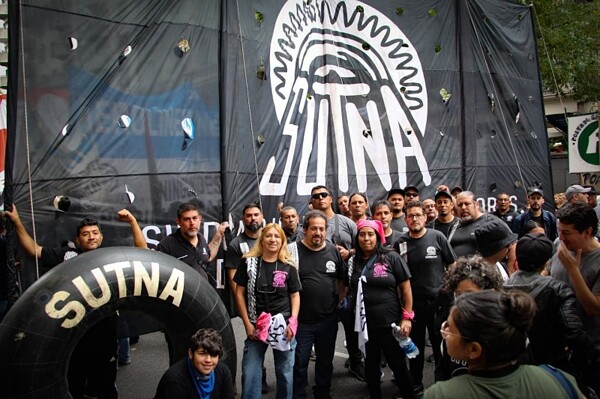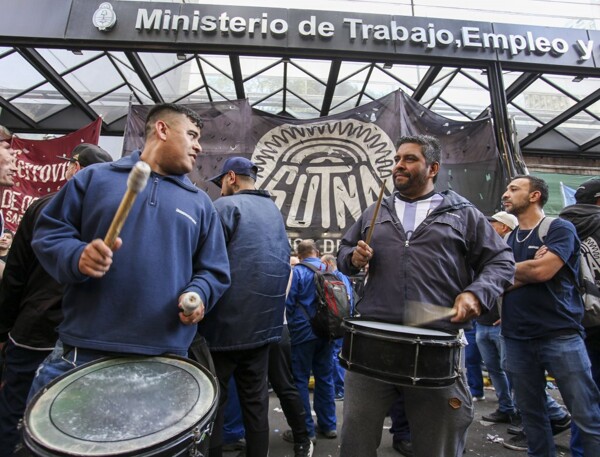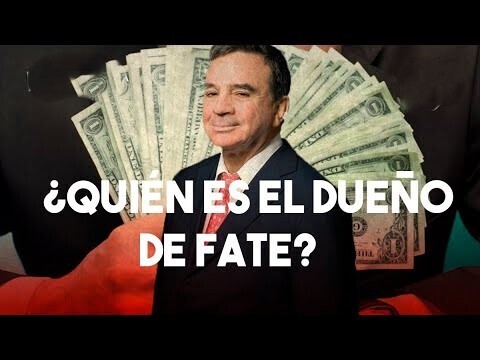
The combination of high labor costs, lost productivity due to stoppages, and falling sales created a critical situation. The official announcement of the closure spoke of 'changes in market conditions'. The union, for its part, defended wage increases linked to inflation and improvements in working conditions it considered historically overdue. The conflict reached unprecedented levels: months-long stalled wage negotiations, intervention by the Ministry of Labor, and business warnings about operational unviability. In this scenario, FATE, along with other local manufacturers, saw its market share deteriorate. However, the industry also had a structural concern: the technological modernization of the plant did not keep pace with global competitors. The company repeatedly denounced excessive costs from strike actions and rigid shift schedules. On several occasions, production resumed after temporary agreements that later became tense again. On the other hand, the debate is about what industrial model can be sustained in a country that alternates between cycles of protection and openness. On one hand, the future of hundreds of workers in a sector that was once strategic for import substitution. Although the massive influx of foreign tires—especially from Asia—squeezed profit margins and forced a sharp drop in local prices, the end of the San Fernando factory exposes a more complex web: years of extreme union conflict, criticism for a lack of productive reinvestment, and precedents of offshore structures linked to the business group controlled by Javier Madanes Quintanilla. Over the past two years, the gradual reduction of tariffs on tire imports and the liberalization of foreign trade generated a competitive shock. Critical voices in the market itself argue that the profitability generated in years of tariff protection did not always translate into proportional industrial expansion. The name of Javier Madanes Quintanilla, head of the group that also controls Aluar, also appears in journalistic investigations into offshore structures. Reports published by La Nación years ago, in collaboration with the ICIJ, detailed the existence of trusts and companies in jurisdictions like Panama and other international hubs linked to the business family. While international groups reinvested in automation and energy efficiency, the Argentine company maintained more costly production schemes. This is compounded by debates about the financial strategy of the group, whose asset growth was historically consolidated through the expansion of Aluar, a project born in the 1970s with state backing and the participation of figures like José Ber Gelbard, which later evolved into a diversified conglomerate. The closure of FATE leaves more than one open question. Recent experience shows that neither tariff protection guarantees permanent efficiency nor abrupt liberalization compensates for years of disinvestment and structural conflict. The market, which until 2023 operated with high values and episodes of shortages, has now moved to show oversupply and discounts of up to 15% in certain segments. Buenos Aires - February 18, 2026 - Total News Agency - TNA - The closure of the historic FATE plant cannot be explained solely by the opening of tire imports. Private reports and coverage from economic media pointed to a jump in imports of over 30% and a significant drop in prices in dollars and pesos. Under the leadership of Alejandro Crespo, the tire workers' union staged one of the harshest strike cycles in the Argentine industry in recent years. There are no judicial convictions for these mechanisms, but the public exposure fueled questions about the allocation of capital and the financial strategy of the holding at a time when the local industry demanded greater reinvestment. To this picture is added a determining factor: the conflict with SUTNA. Prolonged strikes, plant blockades, and salary disputes led to complete production shutdowns in 2022 and 2023. But the comprehensive analysis suggests that the outcome was the result of a triple impact: import opening with price drops, a lagging productive structure, and a permanent union conflict that eroded competitiveness. More recently, revelations from the so-called Pandora Papers, published by el Diario AR, mentioned the use of offshore trusts for estate planning and real estate investment in the United States.